

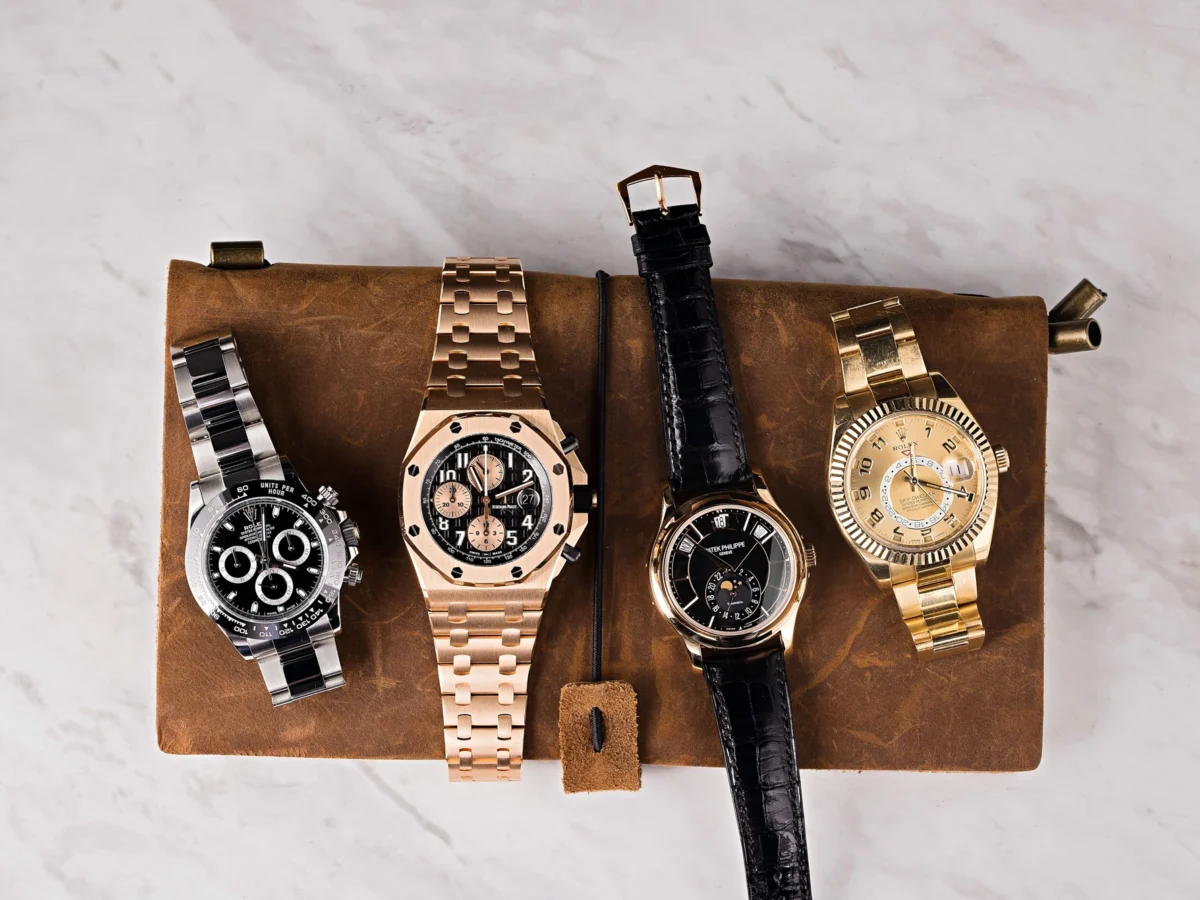
When you pawn a luxury watch, gold loan providers focus first on one thing: how quickly and safely they can recover their money if the loan is not repaid. This is why valuation is driven less by sentiment and more by resale certainty. From the brand on your wrist to the condition of the clasp, every detail affects how much cash you can access when you pawn watch items of high value.
Brand reputation and market demand come first
At the top of the decision-making pyramid is brand strength. Luxury watches from globally recognised names such as Rolex, Omega, Patek Philippe, Audemars Piguet, and Cartier are immediately easier to loan against, as these brands consistently perform well on the secondary market These watches have stable resale values and strong buyer demand.
Gold loan providers prefer watches they know can be sold quickly without heavy discounting. A lesser-known luxury brand, even if expensive at retail, may attract a lower loan offer because the resale market is narrower and slower.
Authenticity and documentation matter more than people expect
Once the brand checks out, authenticity becomes critical. Providers will inspect serial numbers, movement engravings, logos, and craftsmanship details to confirm the watch is genuine. Counterfeit luxury watches are common, and even high-quality replicas carry zero loan value, a concern frequently highlighted by The Federation of the Swiss Watch Industry (FH) – Counterfeit Watches.
Original documentation such as the box, warranty card, purchase receipt, and service history can significantly increase confidence. While paperwork is not always mandatory, a full set makes it easier to verify provenance and justify a higher loan amount when you pawn watch premium timepieces.
Condition directly affects loan value
The physical condition of the watch plays a major role. Scratches, dents, cracked crystals, loose bracelets, or worn clasps all reduce value. Providers also assess whether the watch is running correctly and keeping time within acceptable tolerances.
Polished cases, replaced parts, or non-original straps can work against you. Many collectors prefer watches with original components, and loan providers price accordingly. A well-maintained watch signals lower refurbishment costs and faster resale potential.
Precious metal content still counts
Even though the item is a watch, gold loan providers pay close attention to metal content. Solid gold cases, gold bracelets, and platinum components add a baseline intrinsic value. If the watch is gold, it can still be melted down as a last resort, which reduces risk for the lender.
Steel sports watches can still command high loans due to brand demand, but gold models often provide an added layer of security in valuation decisions.
Model rarity and production status
Limited editions, discontinued models, and watches with long waiting lists tend to attract better loan terms. Scarcity increases resale desirability and reduces time on the market.
However, rarity only helps if demand exists. An obscure limited edition with little collector interest may not perform as well as a widely recognised flagship model.
Current market trends and resale liquidity
Gold loan providers closely monitor market trends. Fluctuations in luxury watch demand, economic conditions, and auction results all influence valuations.
Liquidity is key. Providers want watches they can convert into cash quickly and predictably if necessary. This is why trend-driven or niche pieces often receive more conservative loan offers when you pawn watch luxury items.
Risk assessment and loan-to-value ratios
Finally, the provider calculates risk. This includes storage costs, insurance, resale timelines, and potential price drops. To protect themselves, most lenders offer a percentage of the estimated resale value rather than the full amount.