

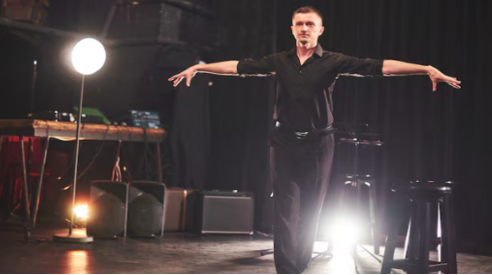
The beginning of any artistic endeavor is a period of immense discovery, where raw passion meets the structured world of professional training. For an aspiring actor, dancer, or musician, the environment in which they first explore their craft is just as important as the talent they possess.
A dedicated space for creative development serves as more than just a room for practice; it acts as a sanctuary where technical skills are honed and artistic identities are forged.
By providing the necessary resources and community, such an institution becomes the foundation upon which a successful career is built.
Providing a Dedicated Space for Artistic Exploration
One of the most immediate benefits of joining a professional environment is the access to a space designed specifically for the arts. Home environments often lack the acoustics, flooring, or mirrors necessary for proper technical development.
Entering a performing arts studio allows an individual to leave behind the distractions of daily life and enter a mindset of total focus.
These spaces are engineered to inspire creativity, offering a neutral yet energized atmosphere where students feel free to experiment, fail, and eventually succeed in their artistic pursuits.
Accessing Expert Guidance and Mentorship
No creative journey can reach its full potential without the influence of experienced mentors. In a structured setting, students have the opportunity to learn from professionals who have spent years mastering their respective fields.
This guidance ensures that beginners do not develop poor habits that could lead to injury or stagnant growth. A reputable performing arts studio employs instructors who can identify a student’s unique strengths and provide personalized feedback.
This expert oversight is crucial for transforming raw potential into refined technique, providing a roadmap for long-term development.
Building a Supportive Artistic Community
Art is rarely a solitary pursuit; it thrives on collaboration and shared energy. Being part of a collective allows students to surround themselves with like-minded individuals who share their goals and challenges.
Within a performing arts studio, peers act as both a support system and a source of healthy competition. This communal aspect fosters a sense of belonging and encourages students to push their boundaries.
The friendships and professional networks formed in these early stages often last throughout an artist’s entire career, providing a reliable foundation in a competitive industry.
Developing Discipline and Professional Habits
The transition from a hobbyist to a professional requires a high degree of discipline and consistency. A structured program introduces students to the rigors of a professional schedule, teaching them the importance of punctuality, preparation, and perseverance.
Regular attendance at a performing arts studio instills a work ethic that is applicable in any field, not just the arts.
Learning to respect the rehearsal process and the needs of collaborators prepares students for the high expectations they will face in the professional entertainment world, where reliability is valued as much as talent.
Overcoming Performance Anxiety through Exposure
For many beginners, the fear of performing in front of others is a significant barrier to growth. A safe and controlled environment provides regular opportunities to showcase work in a low-stakes setting.
Whether it is an informal class demonstration or a scheduled recital, these experiences help students build confidence and develop their stage presence.
By facing their fears within the supportive walls of a performing arts studio, artists learn to channel their nervous energy into their performance, eventually becoming comfortable and expressive when they finally step onto a larger public stage.