

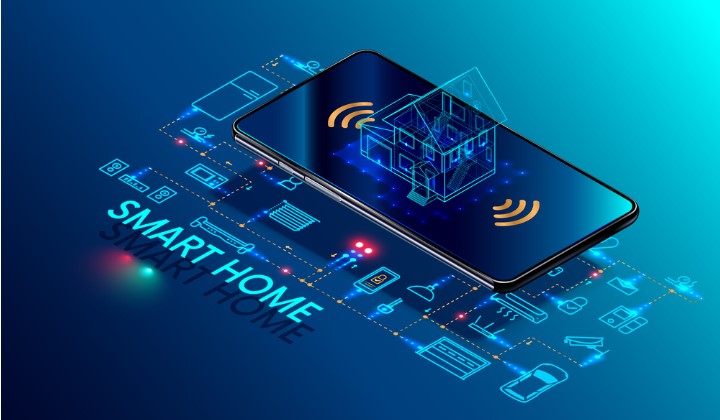
We have come a long way with home automation in the last 5-10 years. So much so that the average consumer can build out a nice system with a collection of inexpensive devices and their companion mobile apps. The one drawback to this type of arrangement is the lack of a brain – otherwise known as the home automation hub.
A home automation hub is a centralized connection point. It can do things that no collection of mobile apps can do. Even the best mobile apps are highly inefficient compared to a dedicated smart home hub. Here is what you need to know: if your home automation system has no brain, adding one is a no-brainer.
Heavy Dependence on Wi-Fi
You can go into just about any DIY home improvement store and purchase smart light switches, wall plugs, thermostats, and even smart locks. They are all likely to have one thing in common: dependence on your home Wi-Fi network. That is the way modern home automation is. It is heavily dependent on Wi-Fi.
Wi-Fi is the chosen network protocol because it is extremely popular and easy to use. It doesn’t hurt that nearly all of us are familiar with it. But it has its drawbacks in the home automation space. Here are just three to consider:
- Latency – Wi-Fi networks can only handle so much traffic before they start slowing down. Too many devices cause latency problems. Your home automation devices stop responding as quickly as they used to. That could be problematic during an emergency.
- Power Outages – Power outages shut down Wi-Fi networks. If your home automation system depends exclusively on Wi-Fi, nothing will work as long as the power is out.
- Security Concerns – Although it’s rare, home networks are hacked from time to time. Anyone capable of breaking into your network can also take control of your home automation devices. It’s not good.
A centralized home automation hub equipped with battery backup and cellular capabilities is the way around Wi-Fi’s shortcomings. Choose a hub that uses low-power signals (like Z-Wave) and you can completely bypass Wi-Fi altogether. Leave your Wi-Fi network for your laptops, phones, and streaming devices.
A Hub Is a Translator
In addition to being a central connection point, a home security hub is also a translator. It brings together devices using different communication protocols where they can be integrated seamlessly. For example, consider multiple devices utilizing Z-Wave, Zigbee, and Bluetooth. They cannot normally communicate with one another, making it impossible to integrate them.
With a smart hub that supports all three technologies, integration is a piece of cake. Each of your devices continues to speak its own language. In between all of them there is a hub capable of translating for them. Through the hub, you can program your system to behave as you see fit.
Investing in a Smart Home Hub
Adding a brain to your home automation system is a smart move. Go with something like Vivint Home Security’s HomeProtect package and you get the hub within. You can gradually build your system with full knowledge about the hub will work with every device you buy from Vivint.
You can also purchase a hub separately. But you will have to do some research to ensure it will support your current devices. Likewise, you could create your own hub with an old laptop and an open-source home automation platform. As long as the platform supports your devices, you are good to go.
A hub is the brain of a good home automation system. Adding one to your system is a no-brainer.